
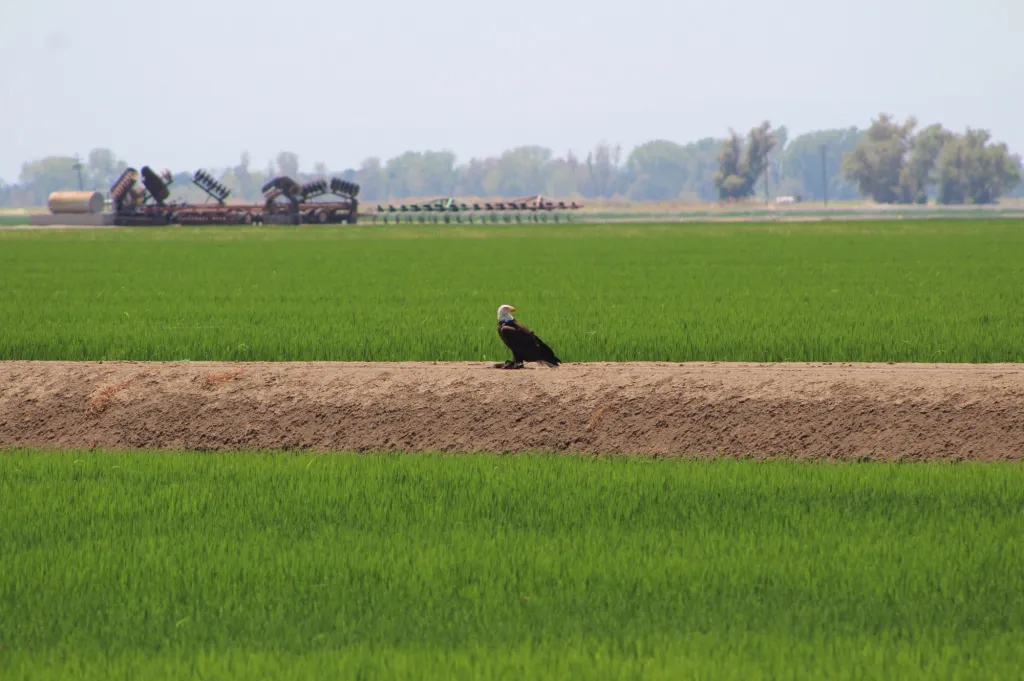
Agriculture, Environmental Horticulture & Natural Resources

Cultivate your future with Butte College's Agriculture and Environmental Horticulture programs. From sustainable farming to natural resource management, our hands-on approach prepares students for careers in agriculture, horticulture, and environmental stewardship. 

Programs

Program Name
Goal
Length
Flexibility
AS-T AS CA

Goal

Transfer or Career

Length

1-2 years

Flexibility

  • Main Campus
AS-T

Associate Degree for Transfer in Agriculture Business

Dive into our engaging Agriculture Business program, where you'll gain real-world skills for a rewarding career in the broad field of agriculture. With hands-on learning in our computer labs, campus farm, and green houses, you'll develop key skills in areas like business management, marketing, finance, and more. Our partnerships with local agricultural businesses offer filed trips, internships, and potential employment opportunities. Plus, you can flex your leadership muscles with student clubs like the Agriculture Ambassadors. Whether you aspire to be a Farm Manager, Business Owner, or a Sales Representative, this program is your steppingstone to success in the agricultural industry! Students completing Associate Degree for Transfer are guaranteed admission to the CSU system.

AS CA

Associate Degree or Certificate of Achievement in Agriculture Business

The Agriculture Business program combines practical training with broad-based coursework to prepare students for careers in California’s dynamic agriculture industry. The Certificate of Achievement in Agriculture Business prepares students for entry-level positions in the industry while also supporting skills development for those with prior experience or related degrees. Coursework builds a strong foundation in business management, economics, accounting, and production practices as they apply to agriculture. With additional GE graduates can attain an Associate Degree in Agriculture Business.

Flexibility

Across these programs, Main Campus reliably covers most or all of your required Agriculture Business coursework, making it the most dependable option. The AS-T degree can also largely be completed Online, while the AS Degree and Certificate rely on Online for only partial coverage, so combining it with Main Campus is often necessary. Chico Center and Glenn Center support general education but not the core Agriculture Business requirements, and dual enrollment availability varies by high school — meet with a counselor to plan your path.

How this flexibility note was generated

⚠ AI-generated content can be wrong. This note was produced by Claude (Anthropic) by synthesizing the individual program flexibility statements in this cluster. Verify against the per-program reports before relying on it.
You are synthesizing a single cluster-level flexibility statement for a community college academic cluster (a group of related programs that share a department-page accordion).

CLUSTER
  Title: Agriculture Business
  Programs in cluster: 3

PER-PROGRAM STATEMENTS
  • Agriculture Business (AS-T Degree):
      You can complete most of your required Agriculture Business coursework at Main Campus, and Online also covers most of what you need if you prefer to study remotely. Chico Center and Glenn Center only reliably offer a small piece of the major coursework, so you'd need to pair either with Main Campus or Online to finish. If dual enrollment is part of your plan, keep in mind what's offered at your high school will vary. Meet with a counselor to map out the specific sequence that fits your situation.
  • Agriculture Business (AS Degree):
      For Agriculture Business, you'll need to plan on being at Main Campus for most of your required coursework, since it covers a good chunk of the program reliably. Online can fill in a few more required courses, but not enough to complete the degree from home. The Chico Center and Glenn Center work well for your general education courses, but not for the agriculture business requirements themselves. Meet with a counselor to map out the right combination for your schedule.
  • Agriculture Business (Certificate of Achievement):
      For this certificate, no single location covers all your required courses, so you'll need to combine locations. Main Campus offers the most reliable coverage of your required classes, and Online can fill in some of the rest, but neither one alone gets you through the whole program. Chico Center and Glenn Center work well for general education, but don't count on them for your Agriculture Business core courses. Meet with a counselor to map out a schedule that pieces these together.

WHAT TO WRITE
  Write 2 to 3 sentences — under 120 words total — that summarize the AVAILABILITY STORY shared by these programs. Most programs in a cluster will have similar availability — name the common pattern. Note distinct outliers ONLY if a program's availability story differs in a way that affects student decisions (e.g., one program is online-only, others are not).

  - Plain, student-facing language.
  - Refer to "the programs in this cluster" or "these programs" — don't list each program by name unless an outlier needs calling out.
  - If all programs share the same flexibility story, write one unified statement.
  - Do NOT list percentages, term codes, or jargon.
  - Lead with the most flexible/strongest availability and follow with caveats.
  - Refer to locations ONLY by official center names (Main Campus, Chico Center, Glenn Center, Skyway Center, Cosmetology Center, Online). NEVER use a city or town name — no Oroville, no Willows, and never "Chico" as a city. Write "at the Chico Center", never "in Chico" — even if a per-program statement below used a city name, do not repeat it.

OUTPUT
  Return ONLY the statement text. No preamble, no quotation marks, no markdown.
AS-T AS

Goal

Transfer or Career

Length

2 years

Flexibility

  • Main Campus
AS-T

Associate Degree for Transfer in Agriculture Plant Science

The Associate in Science in Agriculture Plant Science for Transfer (AS-T) provides a direct pathway to a bachelor’s degree in Agriculture Plant Science at a California State University. This program builds a strong academic foundation by covering the core content of the first two years of a four-year agriculture plant science program, equipping students with the knowledge and skills needed for upper-division coursework and future careers in the agricultural field.

AS

Associate Degree in Agriculture Science

Enrich your passion for agriculture and turn it into a rewarding career with our Agriculture Science program Get a comprehensive understanding of agricultural sciences, education, and business, and become an indispensable part of California's leading industry. Whether you're been in 4-H or FFA, our you're just stating, this program will equip you with practical skills to thrive in diverse roles, from managing ranches and farms to serving in governmental agencies. Numerous job opportunities await you, both in California and beyond. This isn't merely a degree; it's your gateway to a prosperous future in agriculture.

Flexibility

Both programs in this cluster are anchored at Main Campus, where you'll need to complete the bulk of your required coursework. Chico Center, Glenn Center, and Online each offer only partial coverage, so they can supplement your plan but won't fully replace Main Campus attendance, and Dual Enrollment availability depends on what your high school offers. Meet with a counselor to map out a sequence that fits your situation.

How this flexibility note was generated

⚠ AI-generated content can be wrong. This note was produced by Claude (Anthropic) by synthesizing the individual program flexibility statements in this cluster. Verify against the per-program reports before relying on it.
You are synthesizing a single cluster-level flexibility statement for a community college academic cluster (a group of related programs that share a department-page accordion).

CLUSTER
  Title: Agriculture, Plant and Animal Science
  Programs in cluster: 2

PER-PROGRAM STATEMENTS
  • Agriculture Plant Science (AS-T Degree):
      For this degree, you'll mainly need to plan around Main Campus, since that's the only location where all of your required courses reliably run. Chico Center, Glenn Center, and Online each cover only some of the required coursework, so relying on any one of them alone will leave gaps you'd need to fill elsewhere. If you're considering dual enrollment, keep in mind coverage is limited and what's offered at your high school will vary. Meet with a counselor to map out a plan that fits your situation.
  • Agriculture Science (AS Degree):
      Your Agriculture Science required courses run most reliably at Main Campus, so plan on being there for the bulk of your major coursework. Chico Center, Glenn Center, and Online each cover only a handful of required courses, so they can fill in gaps but won't carry the program on their own. If your high school offers Dual Enrollment agriculture courses, that can help too, though what's offered will vary by school. Meet with a counselor to map the sequence that fits your situation.

WHAT TO WRITE
  Write 2 to 3 sentences — under 120 words total — that summarize the AVAILABILITY STORY shared by these programs. Most programs in a cluster will have similar availability — name the common pattern. Note distinct outliers ONLY if a program's availability story differs in a way that affects student decisions (e.g., one program is online-only, others are not).

  - Plain, student-facing language.
  - Refer to "the programs in this cluster" or "these programs" — don't list each program by name unless an outlier needs calling out.
  - If all programs share the same flexibility story, write one unified statement.
  - Do NOT list percentages, term codes, or jargon.
  - Lead with the most flexible/strongest availability and follow with caveats.
  - Refer to locations ONLY by official center names (Main Campus, Chico Center, Glenn Center, Skyway Center, Cosmetology Center, Online). NEVER use a city or town name — no Oroville, no Willows, and never "Chico" as a city. Write "at the Chico Center", never "in Chico" — even if a per-program statement below used a city name, do not repeat it.

OUTPUT
  Return ONLY the statement text. No preamble, no quotation marks, no markdown.
AS

Goal

Transfer or Career

Length

2-2.5 years

Flexibility

  • Main Campus
AS

Associate Degree in Natural Resources Management

The Natural Resources Management program prepares students for careers in a wide range of environmental science and resource management fields. With increasing pressure on the nation’s forests, water, soil, wildlife, and recreation areas, demand for trained professionals continues to grow. Graduates find opportunities with agencies such as the U.S. Forest Service, Bureau of Land Management, Bureau of Reclamation, California Department of Fish and Wildlife, National Park Service, and U.S. Soil Service, as well as with private management firms, environmental companies, and land developers. The field offers diverse and rewarding career paths, blending hands-on work with the fundamental skills needed to protect and manage natural resources in a rapidly expanding industry.

Flexibility

This program requires you to be at Main Campus for your core coursework, since it runs reliably only there. Chico Center, Glenn Center, and Online can help you complete general education classes, but Online only reliably covers a small portion of the program and none of these locations substitute for the required major coursework. Some high schools offer limited dual enrollment options, so check with a counselor to confirm what's available as you plan your schedule.

How this flexibility note was generated

⚠ AI-generated content can be wrong. This note was produced by Claude (Anthropic) by synthesizing the individual program flexibility statements in this cluster. Verify against the per-program reports before relying on it.
You are synthesizing a single cluster-level flexibility statement for a community college academic cluster (a group of related programs that share a department-page accordion).

CLUSTER
  Title: Agriculture and Natural Resources Management
  Programs in cluster: 1

PER-PROGRAM STATEMENTS
  • Natural Resources Management (AS Degree):
      For this degree, you'll need to plan on being at Main Campus, where all of your required Natural Resources Management coursework runs reliably. Chico Center, Glenn Center, and Online can help you knock out general education classes, but they won't cover your major requirements, and Online currently only reliably covers a small piece of the program. Dual enrollment options exist at some high schools, but coverage is limited and varies by campus. Check in with a counselor as you plan your schedule.

WHAT TO WRITE
  Write 2 to 3 sentences — under 120 words total — that summarize the AVAILABILITY STORY shared by these programs. Most programs in a cluster will have similar availability — name the common pattern. Note distinct outliers ONLY if a program's availability story differs in a way that affects student decisions (e.g., one program is online-only, others are not).

  - Plain, student-facing language.
  - Refer to "the programs in this cluster" or "these programs" — don't list each program by name unless an outlier needs calling out.
  - If all programs share the same flexibility story, write one unified statement.
  - Do NOT list percentages, term codes, or jargon.
  - Lead with the most flexible/strongest availability and follow with caveats.
  - Refer to locations ONLY by official center names (Main Campus, Chico Center, Glenn Center, Skyway Center, Cosmetology Center, Online). NEVER use a city or town name — no Oroville, no Willows, and never "Chico" as a city. Write "at the Chico Center", never "in Chico" — even if a per-program statement below used a city name, do not repeat it.

OUTPUT
  Return ONLY the statement text. No preamble, no quotation marks, no markdown.
AS CA

Goal

Transfer or Career

Length

0.5-2 years

Flexibility

  • Main Campus
AS CA

Associate Degree or Certificate of Achievement in Environmental Horticulture

The Environmental Horticulture program prepares students for a wide range of careers in the diverse and growing horticulture industry while also offering continuing education units (CEUs) for professionals seeking to maintain licenses. Coursework builds knowledge and skills for careers in nursery and greenhouse management, retail garden centers, supply and equipment sales, commercial fruit and nut production, irrigation and landscape design, installation and maintenance, plant protection, interior landscaping, and agricultural education. With additional GE graduates can attain an Associate Degree in Environmental Horticulture.

CA

Certificate of Achievement in Plant Protection

This certificate prepares candidates for the California State Agricultural Pest Control Adviser (PCA) License examinations and Qualified Applicator License exams. It meets the minimum educational qualifications, and prepares students for exams in IPM principles, laws and regulations, pest identification, physical and biological sciences, crop health, pest management systems and methods, and production systems. Technical experience is highly encourage through work experience placement.

CA

Certificate of Achievement in Landscape and Turfgrass Technician

Shape your future in the vibrant horticulture and landscape industry with our Landscape/Turfgrass Technician-CA program! Offering practical, hands-on training, this program equips you with the skills needed to excel in professional residential landscape design, development, and maintenance. You'll master the basics of irrigation design, repair, installation, water management, and small equipment operation. This training is your stepping stone to exciting career opportunities in landscape contracting and horticulture - your chance to literally 'grow' your future!

CA

Certificate of Achievement in Nursery Technician

This Nursery Technician certificate provides students with the practical, hands-on experience they need to pursue employment in the areas of plant production, maintenance, or sales of ornamental and/or food crops in California. This program prepares students to advance to management positions in greenhouse and nursery businesses that propagate, grow and market plants for use in the home, business or the landscape. The program provides a solid foundation in plant knowledge and nursery and garden center environments, as well as computer applications and management skills.

Flexibility

Across these programs in this cluster, plan on completing most of your required coursework at Main Campus, where courses reliably run; Chico Center and Glenn Center are solid for general education but not for major requirements. Online and, where available, Dual Enrollment can fill in a course or two but won't carry any of these programs on their own. Since gaps vary by program, meet with a counselor to map out your specific sequence.

How this flexibility note was generated

⚠ AI-generated content can be wrong. This note was produced by Claude (Anthropic) by synthesizing the individual program flexibility statements in this cluster. Verify against the per-program reports before relying on it.
You are synthesizing a single cluster-level flexibility statement for a community college academic cluster (a group of related programs that share a department-page accordion).

CLUSTER
  Title: Environmental Horticulture
  Programs in cluster: 4

PER-PROGRAM STATEMENTS
  • Environmental Horticulture (AS Degree):
      For your Environmental Horticulture required coursework, plan on being at Main Campus most of the time — that's where the bulk of your major courses reliably run, though a few gaps mean you may need to fill in with another option over time. Chico Center and Glenn Center work well for your GE classes, but not for the horticulture core itself. Online can help with a couple of required courses, not the whole degree. Check in with a counselor to map out the sequence.
  • Environmental Horticulture (Certificate of Achievement):
      For this certificate, plan on being at Main Campus for most of your required coursework — that's where the bulk of it reliably runs. A few gaps will need to be filled through another location, since Online currently covers only a small piece of the requirements. Chico Center and Glenn Center work well for general education, but not for the major courses themselves. Check in with a counselor to map out the specific sequence you'll need.
  • Plant Protection (Certificate of Achievement):
      Most of your required Plant Protection coursework runs reliably at Main Campus, so plan on being there for the bulk of the program. Glenn Center and Online each cover only a few of the required courses, so they can fill in a gap or two but won't carry the program on their own. The Chico Center works well for GE breadth, but not for your major requirements. Meet with a counselor to map out the specific sequence you'll need.
  • Nursery Technician (Certificate of Achievement):
      For this certificate, you can plan on completing your required coursework at Main Campus — it's reliably offered there. The Chico Center and Glenn Center only offer general education courses, not the nursery technician requirements, and Online currently covers just one of your required courses, so it won't get you through the program on its own. If a high school near you offers Dual Enrollment sections, they can cover a couple of your requirements, but what's offered varies by school. Check in with a counselor to map out your plan.

WHAT TO WRITE
  Write 2 to 3 sentences — under 120 words total — that summarize the AVAILABILITY STORY shared by these programs. Most programs in a cluster will have similar availability — name the common pattern. Note distinct outliers ONLY if a program's availability story differs in a way that affects student decisions (e.g., one program is online-only, others are not).

  - Plain, student-facing language.
  - Refer to "the programs in this cluster" or "these programs" — don't list each program by name unless an outlier needs calling out.
  - If all programs share the same flexibility story, write one unified statement.
  - Do NOT list percentages, term codes, or jargon.
  - Lead with the most flexible/strongest availability and follow with caveats.
  - Refer to locations ONLY by official center names (Main Campus, Chico Center, Glenn Center, Skyway Center, Cosmetology Center, Online). NEVER use a city or town name — no Oroville, no Willows, and never "Chico" as a city. Write "at the Chico Center", never "in Chico" — even if a per-program statement below used a city name, do not repeat it.

OUTPUT
  Return ONLY the statement text. No preamble, no quotation marks, no markdown.
CC

Goal

Career

Length

1 semester

Flexibility

  • Main Campus
CC

Certificate of Completion in Ecological Restoration

(Not Eligible for Financial Aid) The Ecological Restoration Certificate provides students with the fundamental skills needed for entry-level employment in the restoration industry. Coursework emphasizes heavy equipment operation, recreational land management, landscape surveying, and the use of GPS and GIS systems for mapping work areas, along with irrigation system installation and maintenance. This certificate also supports professionals who wish to return for additional training to stay current in their field or prepare for advancement opportunities.

CC

Certificate of Completion in Forestry Technician

(Not Eligible for Financial Aid) The Forestry Technician Certificate prepares students for employment in forestry and silviculture, meeting the demand for trained professionals with public agencies and private timber companies. Coursework includes dendrology, forest measurements, ecology, silviculture, fire management, forest health, soils, wildlife, and outdoor recreation, providing a strong foundation for entry-level positions in the field.

CC

Certificate of Completion in Parks and Recreation

(Not Eligible for Financial Aid) The Parks and Recreation Certificate provides students with the fundamental skills needed for entry-level positions in recreational land management. Coursework emphasizes tree and pest species identification, equipment operation for maintenance and construction, and the use of GPS and GIS systems for mapping work areas, along with strategies for managing land for recreational purposes. This certificate also supports professionals who wish to return for additional training to stay current in their field or prepare for advancement opportunities.

CC

Certificate of Completion in Wildlife Technician

(Not Eligible for Financial Aid) The Wildlife Technician Certificate prepares students for entry-level positions in wildlife and fisheries management at a time when growing pressures on the nation’s natural resources are driving demand for skilled professionals. Coursework builds essential skills in species identification, habitat restoration, natural resource law, and the use of GPS and GIS systems for mapping and land management. Graduates are prepared for opportunities with agencies such as the U.S. Forest Service, Bureau of Land Management, Bureau of Reclamation, California Department of Fish and Wildlife, National Park Service, and U.S. Soil Service, as well as with private firms, environmental companies, and land developers. This certificate also supports continued training, helping professionals stay current in one of the most dynamic and rapidly expanding fields in natural resource management.

Flexibility

The Skill Builders programs all center on Main Campus, where required coursework reliably runs — Ecological Restoration needs it entirely, while Forestry Technician, Parks and Recreation, and Wildlife Technician require Main Campus for most classes, with a gap or two filled elsewhere or in another term. The Chico Center, Glenn Center, and Online cover general education only, not core requirements, and Dual Enrollment may occasionally fill a small piece depending on your high school. Meet with a counselor to map out your term-by-term plan.

How this flexibility note was generated

⚠ AI-generated content can be wrong. This note was produced by Claude (Anthropic) by synthesizing the individual program flexibility statements in this cluster. Verify against the per-program reports before relying on it.
You are synthesizing a single cluster-level flexibility statement for a community college academic cluster (a group of related programs that share a department-page accordion).

CLUSTER
  Title: Skill Builders
  Programs in cluster: 4

PER-PROGRAM STATEMENTS
  • Ecological Restoration (Certificate):
      For this certificate, plan on being at Main Campus — that's where all of the required coursework reliably runs, and you can build your schedule around being there consistently. The Chico Center, Glenn Center, and Online are good for any general education you still need, but they won't cover the required courses for this certificate. Check in with a counselor to map out your specific term-by-term plan.
  • Forestry Technician (Certificate):
      For this certificate, most of your required coursework runs reliably at Main Campus, though not all of it — you'll likely need to fill a gap or two through another location or Online. Chico Center, Glenn Center, and Online currently only offer general education courses, not the program's core classes. If you're considering dual enrollment, keep in mind offerings vary by high school and are unlikely to cover most of what you need. Plan to meet with a counselor to map out the specific courses and timing.
  • Parks and Recreation (Certificate):
      For this certificate, you'll need to plan on being at Main Campus for most of your required coursework — that's where the bulk of it reliably runs, though you may need to fill one gap elsewhere. Chico Center, Glenn Center, and Online only offer the general education side, not the required Parks and Recreation courses. If a course at your local high school is offered through Dual Enrollment, it could cover a small piece, but options vary by school, so check with a counselor to map out your specific plan.
  • Wildlife Technician (Certificate):
      For your Wildlife Technician certificate, most of your required coursework runs reliably at Main Campus, so plan on being there for the bulk of your major classes. A few required pieces aren't reliably offered anywhere else on a regular basis, so you'll likely need to fill in gaps by combining Main Campus with another term's offerings rather than expecting to finish entirely online, at the Chico Center, or at the Glenn Center. If your high school participates in Dual Enrollment, one required course may be available there, but offerings vary by high school. Check in with a counselor to map out your specific term-by-term plan.

WHAT TO WRITE
  Write 2 to 3 sentences — under 120 words total — that summarize the AVAILABILITY STORY shared by these programs. Most programs in a cluster will have similar availability — name the common pattern. Note distinct outliers ONLY if a program's availability story differs in a way that affects student decisions (e.g., one program is online-only, others are not).

  - Plain, student-facing language.
  - Refer to "the programs in this cluster" or "these programs" — don't list each program by name unless an outlier needs calling out.
  - If all programs share the same flexibility story, write one unified statement.
  - Do NOT list percentages, term codes, or jargon.
  - Lead with the most flexible/strongest availability and follow with caveats.
  - Refer to locations ONLY by official center names (Main Campus, Chico Center, Glenn Center, Skyway Center, Cosmetology Center, Online). NEVER use a city or town name — no Oroville, no Willows, and never "Chico" as a city. Write "at the Chico Center", never "in Chico" — even if a per-program statement below used a city name, do not repeat it.

OUTPUT
  Return ONLY the statement text. No preamble, no quotation marks, no markdown.
Department Agriculture, Environmental Horticulture & Natural Resources

Full Time Faculty

Jacob Vazquez

Associate Dean, Instruction

Thomas Williams

Agricultural Engineering Tech Instruc

Jared Parker

Agricultural Engineering Tech Instruc

Jeremiah Zane

Agricultural Engineering Tech Instruc

Esther Kim

Agricultural Science Instructor

Jennifer Charles-Tollerup

Agricultural Science Instructor

Bonnie Baxter

Agricultural Science Instructor

Ricky Wittsell

Natural Resources Instructor

Blaire Britten

Agriculture Business Instructor

Associate Faculty

Nathan Roberts

Environmental Horticulture Instructor

Noel Lopez

Natural Resources Instructor

Department Contacts

Office: WM 105
Department phone: (530) 895-2835
Contact phone: (530) 879-6194

Looking For Something Else?

Other Departments in Industrial Technologies & Agriculture

Department Highlights
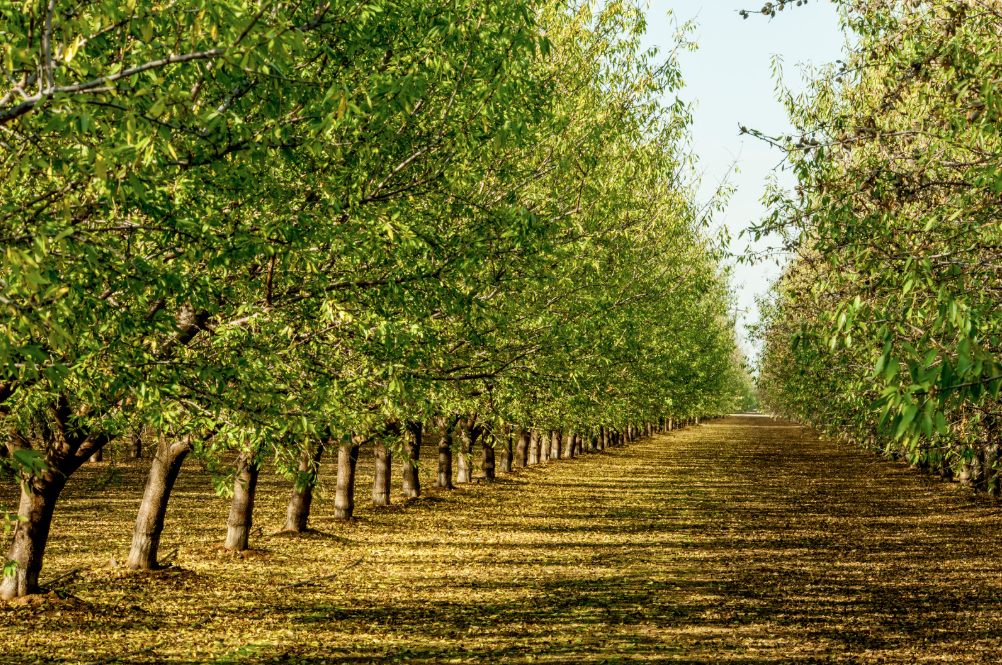
students interested in learning about and promoting agriculture, leadership, teamwork, and service. All majors are welcome!
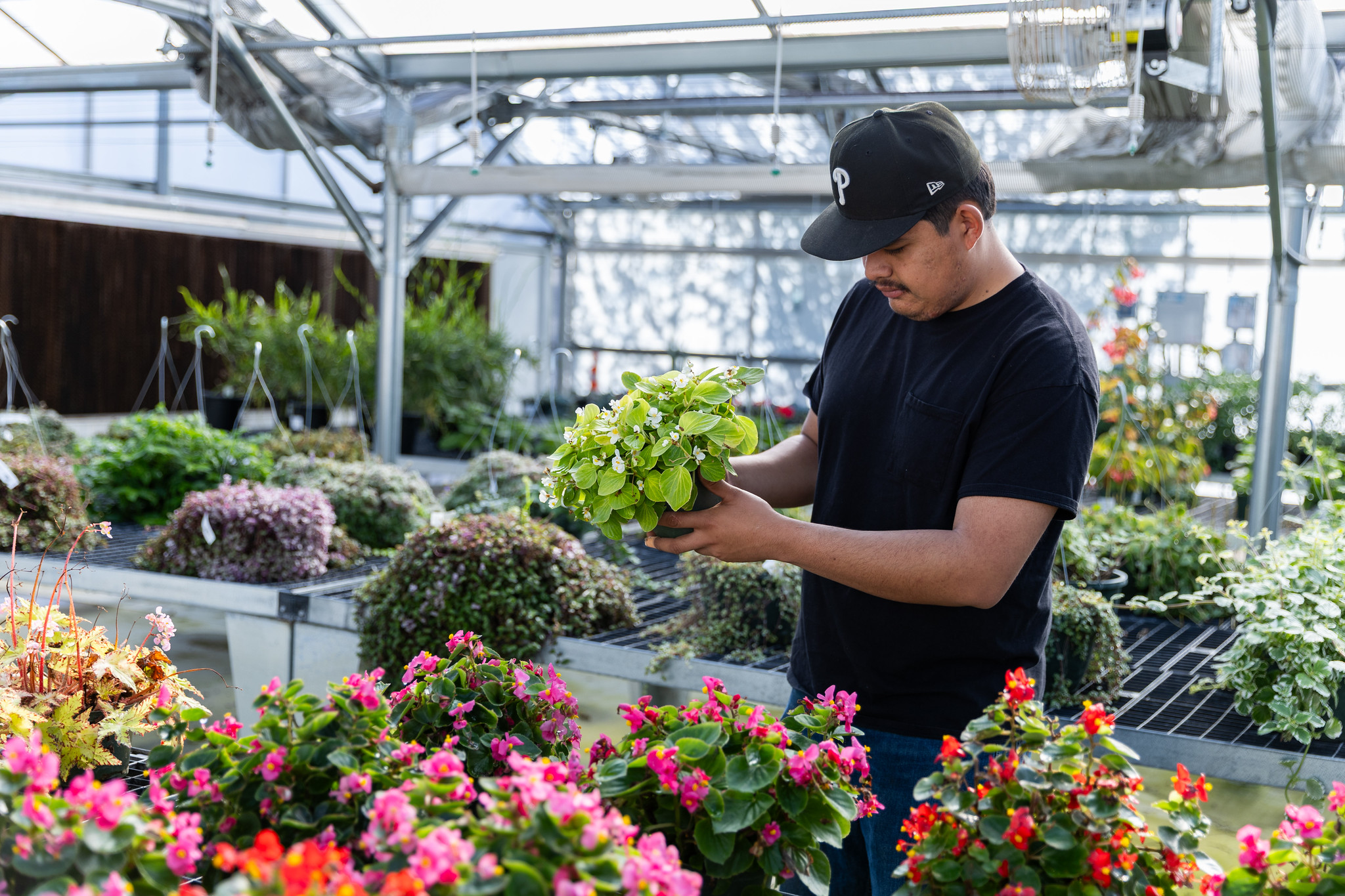
The environmental horticulture club brings horticulturists, gardeners, and plant lovers together to learn about plants and the horticulture industry. This includes holding plant sales, meeting industry leaders, going on field trips, and doing community service projects.
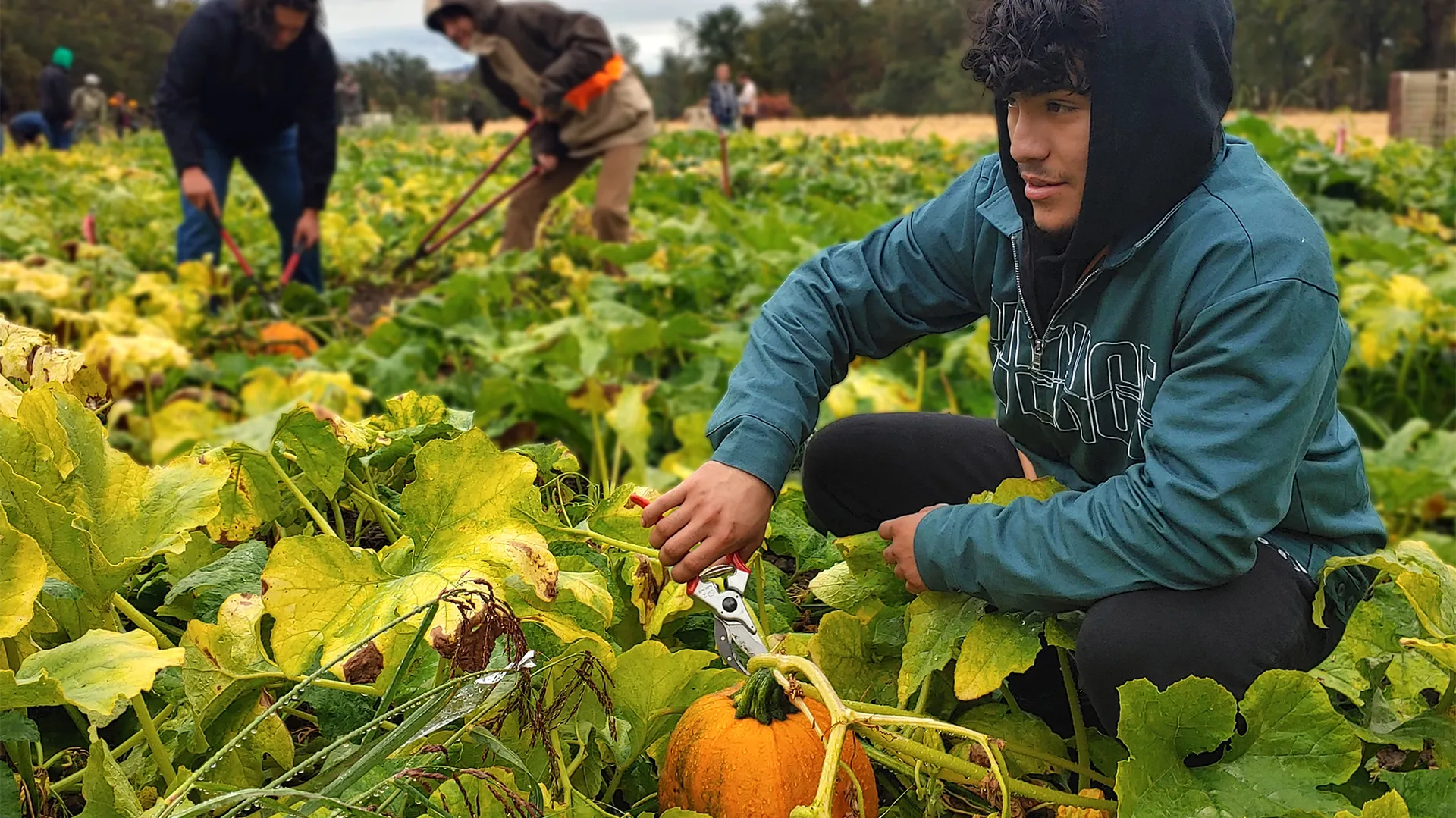
Our 928-acre Wildlife Refuge and Ecological Reserve is more than a scenic backdrop—it's an outdoor classroom. Students in environmental science, biology, and natural resources gain hands-on experience with native plant habitats, wetland restoration, and sustainable land management.

Explore Other Communities of Interest

All Programs

Five Butte College graduates pose together in their caps and gowns.

Start Here Go Anywhere

Department Agriculture, Environmental Horticulture & Natural Resources